
KEYNOTE SPEAKERS
Biography
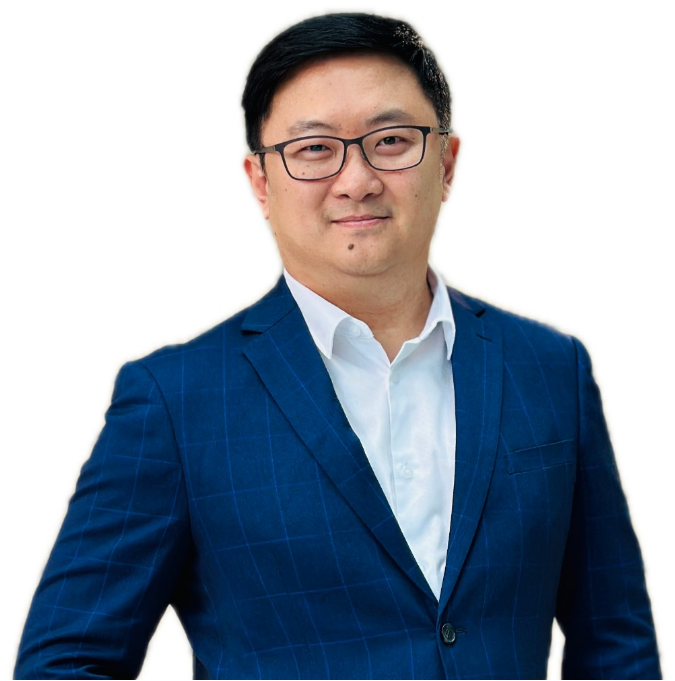
Prof. Patrick Then assumed the Chief Executive Officer of state-owned Sarawak Artificial Intelligence Centre (SAIC) since March 2025. SAIC aims to accelerate Sarawak economic growth by leveraging AI technologies. SAIC conducts high-impact research and development for Sarawak’s needs, and advises policymakers on AI governance, policy, audit, and talent development.
Before that, he led School of ICT as Head of School, Centre for Digital Futures as Director, Swinburne University of Technology Sarawak. As SAIC CEO, he continues mentoring researchers and academics in academia. He has been recognized as eminent researcher in health informatics in the region collaborating with prominent cardiologists and clinicians in Clinical Research Centre Sarawak General Hospital in Malaysia and the National Institutes of Health, Ministry of Health Malaysia. He has published papers in high impact journals and proceedings. He is a strong advocate of transdisciplinary research where he translated artificial intelligence techniques into healthcare, manufacturing and other applications. He is a sought-after keynote speaker in IT and cardiology conferences in Europe, India, Indonesia and South Korea. He is the holder of multiple patents and software copyrights that have been translated into commercial product. He is a highly recognised digital health Key Opinion Leader by Ministry of Health Malaysia.
He is an elected fellow of the European Society of Cardiology, fellow of the Society for Design and Process Science USA, Senior member of Australian Computer Society, Senior member of IEEE, and Board member of Sarawak Development Institute.
Title: AI for BusinessArtificial Intelligence (AI) is no longer a futuristic concept; it has become a practical tool that is transforming how businesses operate,
compete, and grow. From automating routine processes to uncovering new market insights, AI offers unprecedented opportunities for efficiency, innovation, and
value creation. The session will also address the challenges businesses face in adopting AI, including data readiness, skills development, and ethical
considerations. Participants will gain a clear understanding of the strategic role AI can play in driving competitiveness and growth, as well as actionable
insights on how to start or scale their AI journey.
Biography
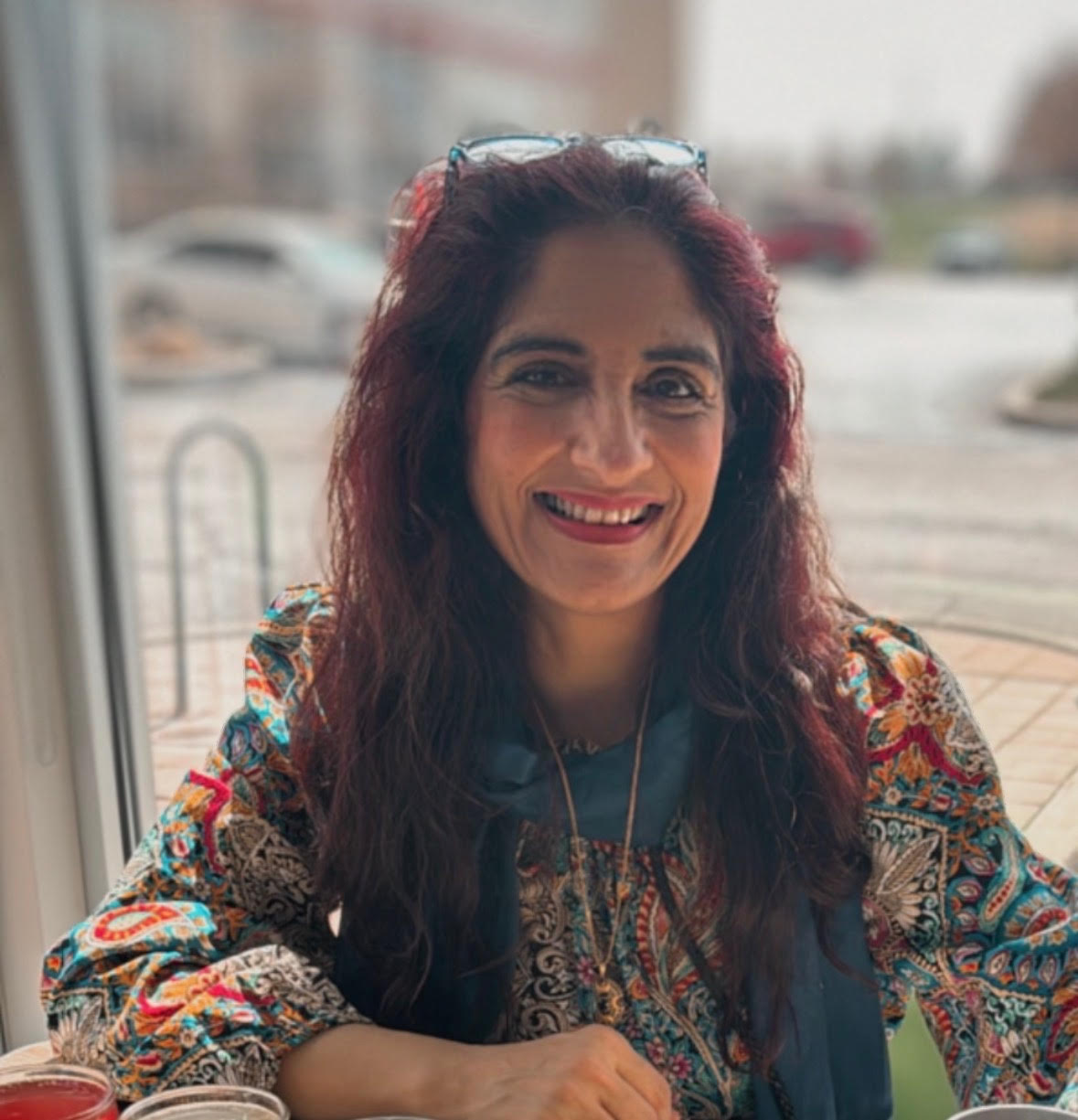
Faryal’s journey began in a small town in northern Pakistan and led her to a bustling metropolitan city for her schooling. She earned a Bachelor’s degree in Electrical Engineering from the prestigious University of Engineering and Technology (UET) Peshawar. While raising three children as a single mother, she completed a Master’s in Electrical and Computer Engineering and began her career in academia, becoming the first female member of the teaching staff at UET. She ultimately served as an Associate Professor there, balancing the demands of teaching, research, and motherhood.
About twenty years ago, she moved to the United States to begin a new professional chapter, transitioning from academia to industry. Her career started in the field of Mechanical, Electrical, and Plumbing (MEP) systems for buildings, which sparked her passion for sustainable design and green building practices. She quickly became dedicated to the principles of clean energy, energy conservation, and achieving net-zero carbon footprints. In line with this mission, she earned certification as a LEED (Leadership in Energy and Environmental Design) Accredited Professional with the U.S. Green Building Council and contributed to dozens of LEED-certified projects.
After more than a decade in the MEP field, she moved into renewable energy as a Senior Design Engineer in wind power. Today, she designs wind farms and works closely with transmission operators to integrate clean, renewable energy into the power grid, continuing a lifelong commitment to sustainability and innovation.